Homekeepr may earn a commission from links on this page.
Quick answer
What features should I look for in a basement dehumidifier?
Start with pints removed per day under the current DOE test, not advertised square footage, and a way to drain unattended: a gravity hose, a built-in pump, or a permanent drain-only unit instead of a bucket alone. Then look for auto-restart after power outages and auto-defrost for a cold basement, and compare filter access, published sound levels, and warranty. Fix leaks and bulk water first; a bigger machine only hides them.
What to consider
Buy for water removal and drainage, not advertised square feet.
Room-size claims assume conditions you may not have. Compare pints removed per day under the current DOE test method, then decide whether gravity drainage, a built-in pump, or a permanent drain-only unit fits the basement.
Moisture load
A mildly damp finished basement and a wet foundation after storms are different jobs. Fix bulk water and drainage before asking a portable appliance to hide it.
Drain path
Gravity is simple but needs a lower drain. A pump can lift water to a sink or window but adds a failure point. A bucket requires regular attention.
Cold operation
Basements can approach the low operating limit. Auto-defrost helps, but a cold coil cannot remove the same moisture as a warm one.
Maintenance
Check filter access, bucket cleanup, hose routing, pump service, restart behavior, app alerts, and warranty before choosing a set-it-and-forget-it unit.
Our shortlist
Compare the basement ownership decision
| Model | Best for | Removal | Drainage | Published sound | Warranty |
|---|---|---|---|---|---|
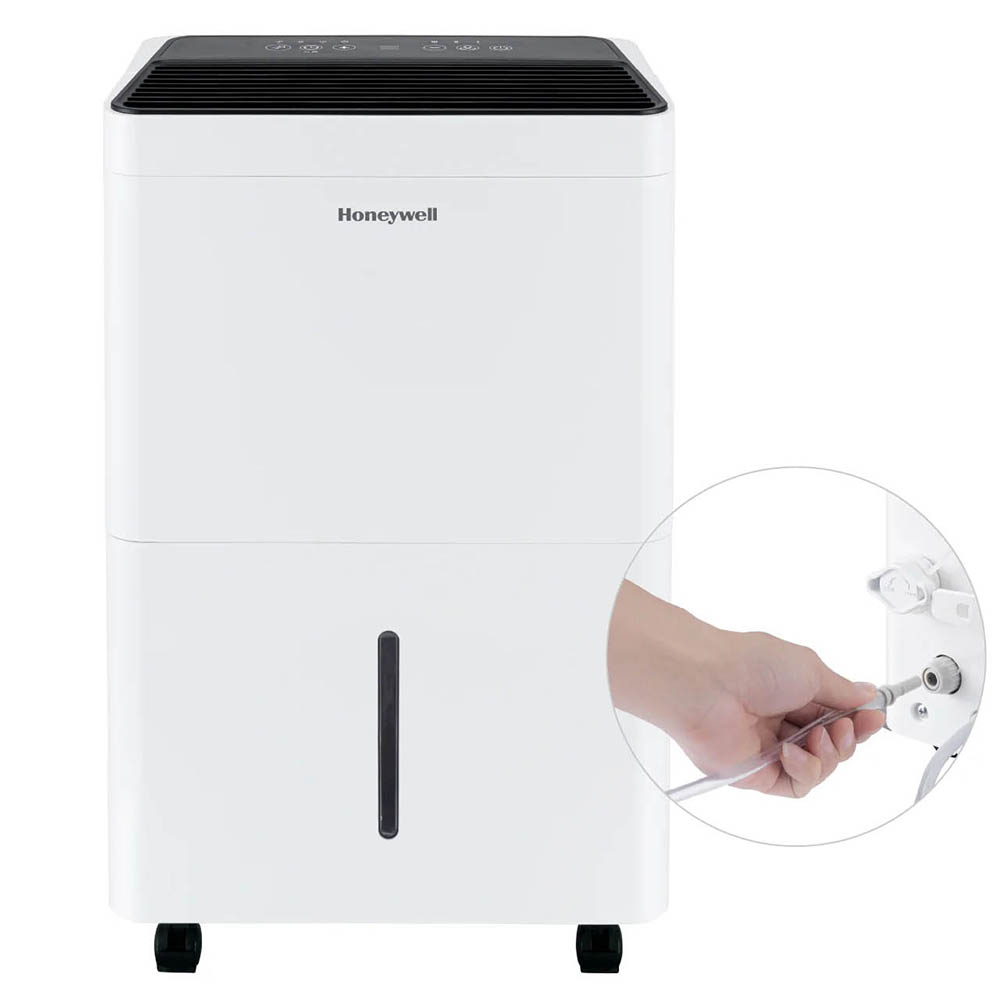
| Honeywell TPFIT50APWK | Smart pump pick | 50 pints/day | Bucket, gravity, 15-foot pump | 50 dBA maximum | 1 year |
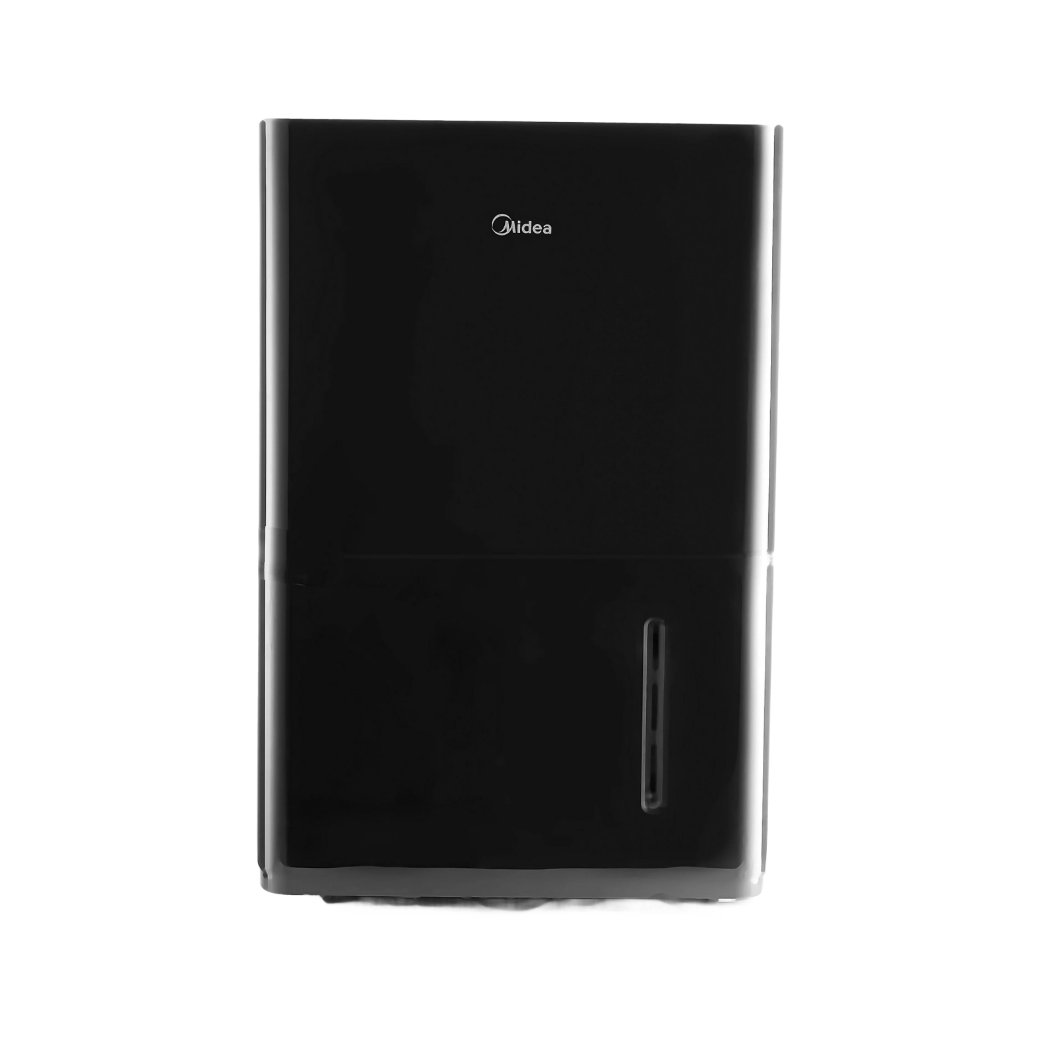
| Midea SmartDry MAD50PS1WBL | Flexible pump value | 50 pints/day | Bucket, gravity, built-in pump | Not published on product page | 1 year |
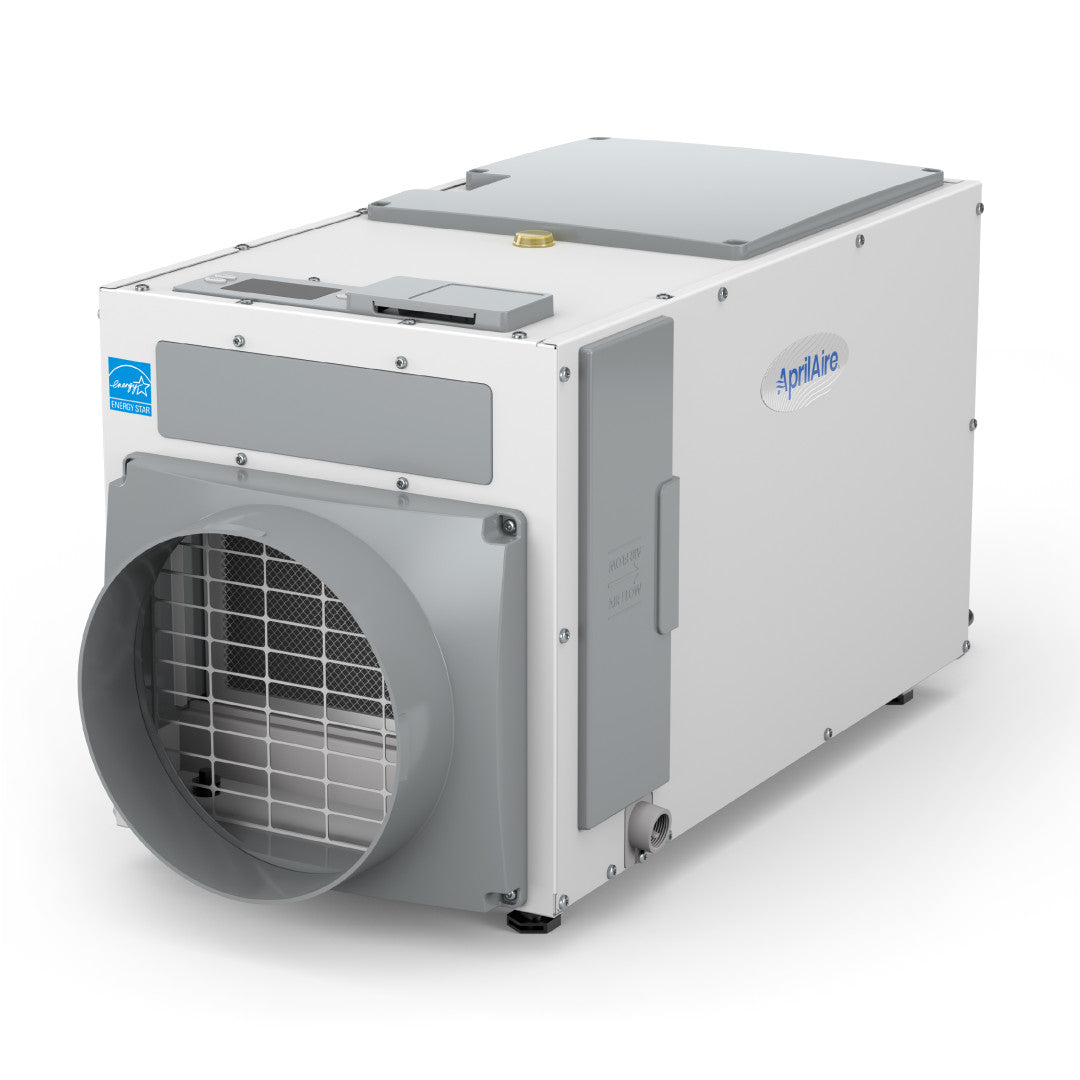
| AprilAire E080 | Permanent basement / whole-home pick | 80 pints/day | Drain hose; no bucket | Verify installed configuration | 5 years |
Product shortlist
Three good fits for three different basements
Best smart pump pick
Honeywell TPFIT50APWK
For a large basement without a convenient floor drain, when app visibility and a built-in lift pump are worth paying for.
- 50 pints per day under current DOE conditions
- 15-foot auto-drain pump, gravity drain, and 15-pint bucket
- Published maximum sound of 50 dBA
- Washable filter, app control, auto restart, one-year warranty
Best flexible pump value
Midea SmartDry MAD50PS1WBL
For a homeowner who wants a portable 50-pint unit with Wi-Fi and a pump, without moving into permanently installed whole-home equipment.
- 50-pint capacity and ENERGY STAR certification
- Built-in pump, bucket, and mobile casters
- SmartHome app control
- One-year manufacturer warranty
Best permanent basement pick
AprilAire E080
For a large basement, crawl space, or whole-home project where continuous drainage, repairability, and a longer warranty matter more than portability.
- 80 pints per day and published coverage up to 4,400 square feet
- Drain-only design with no bucket to empty
- Washable MERV 8 filter and corrosion-resistant coils
- Five-year manufacturer warranty
Setup is part of the product
A dehumidifier should prove it can drain unattended
Measure humidity separately
Place a second hygrometer away from the unit. A local sensor beside the dry outlet can read differently from the far corner.
Route and secure the drain
Use the specified hose, avoid kinks and unintended traps, and make the destination able to accept continuous water.
Test outage recovery
Confirm what happens after power returns: mode, setpoint, pump, app connection, and alert behavior.
Clean on a schedule
A dirty filter, bucket, coil, hose, or pump can reduce performance and create odor. Record the model and cleaning interval.
Dehumidifier FAQ
How to know whether the unit is helping
What humidity should I set in a basement?
Many homeowners begin around 45% to 50% relative humidity, then adjust for comfort, condensation, materials, and climate. Sustained readings above 60% deserve investigation; avoid chasing an extremely low number that wastes energy.
Is a 50-pint dehumidifier enough?
Often for a typical basement, but the answer depends on temperature, air leakage, bulk water, drainage, layout, and moisture load. A correctly drained 50-pint unit can outperform a larger unit that sits full and off.
Why does my basement still smell musty?
The unit may be undersized, poorly located, dirty, unable to drain, or treating moisture from an unresolved leak or foundation condition. Check humidity across the space and find the source.
What features should I look for when buying a basement dehumidifier?
Compare pints per day under the current DOE test rather than room-size claims, and choose a drain path that works unattended: gravity, a built-in pump, or a permanent drain-only unit. Auto-restart after outages and auto-defrost for cold basements come next, followed by filter access, published sound levels, and warranty. If water is getting into the basement, fix that first.
Keep maintenance with the appliance
Record the filter, drain, warranty, and target humidity.
Homekeepr can keep the exact dehumidifier, manual, filter, cleaning interval, basement conditions, and service history attached to the house.
Add my dehumidifier
Review status: Homekeepr compared manufacturer specifications, current retailer information, relevant safety guidance, and owner feedback. We have not completed hands-on testing of every product, so these are researched picks rather than hands-on endorsements.